Boreal Light Commissions World’s First Directly Solar-Powered Ceramic Membrane System Turning Treated Wastewater into Drinking Water in Lima
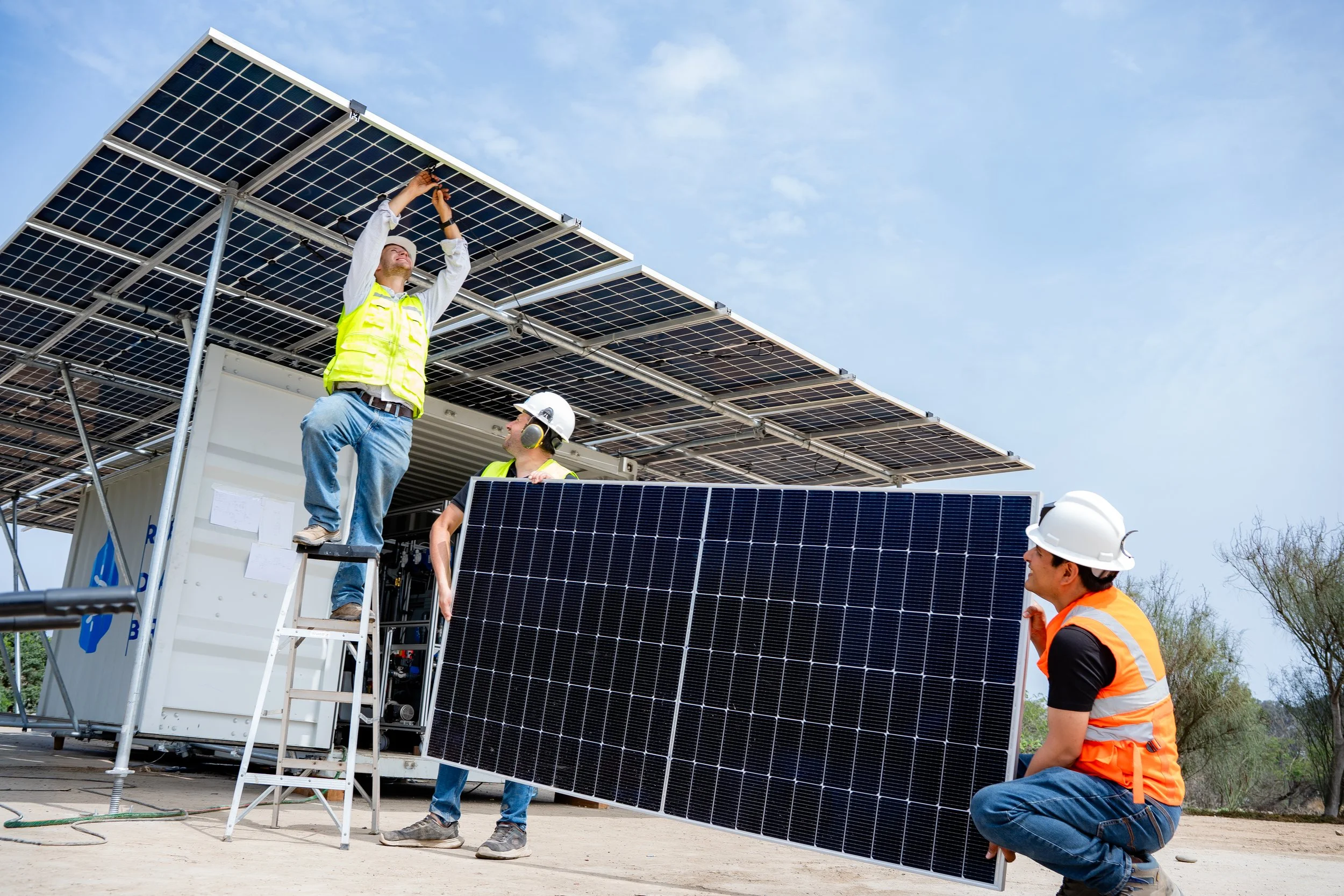
Developed in Berlin for the NEWA2 research project, the off-grid pilot plant runs 100% on direct solar power — without batteries or inverters.
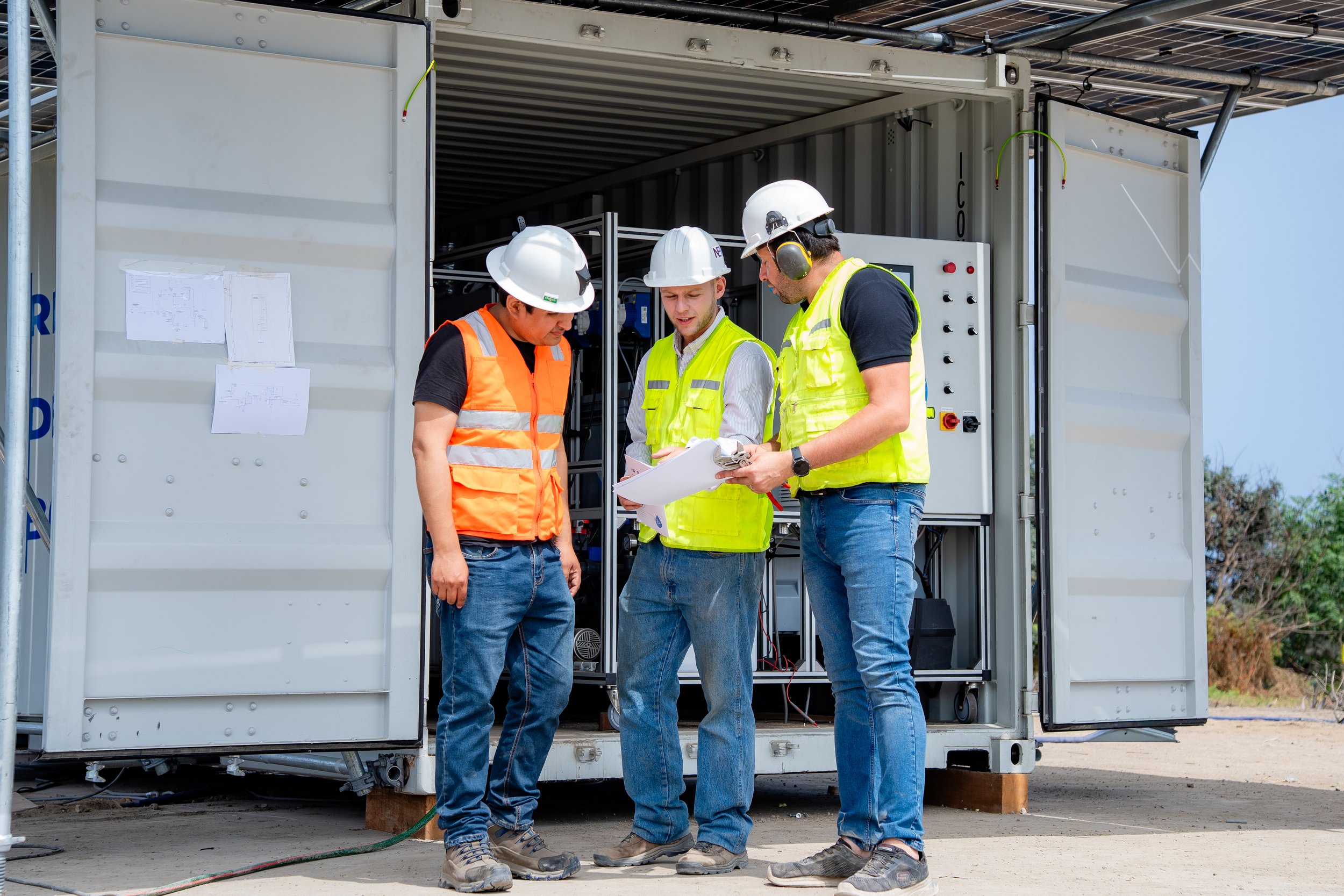
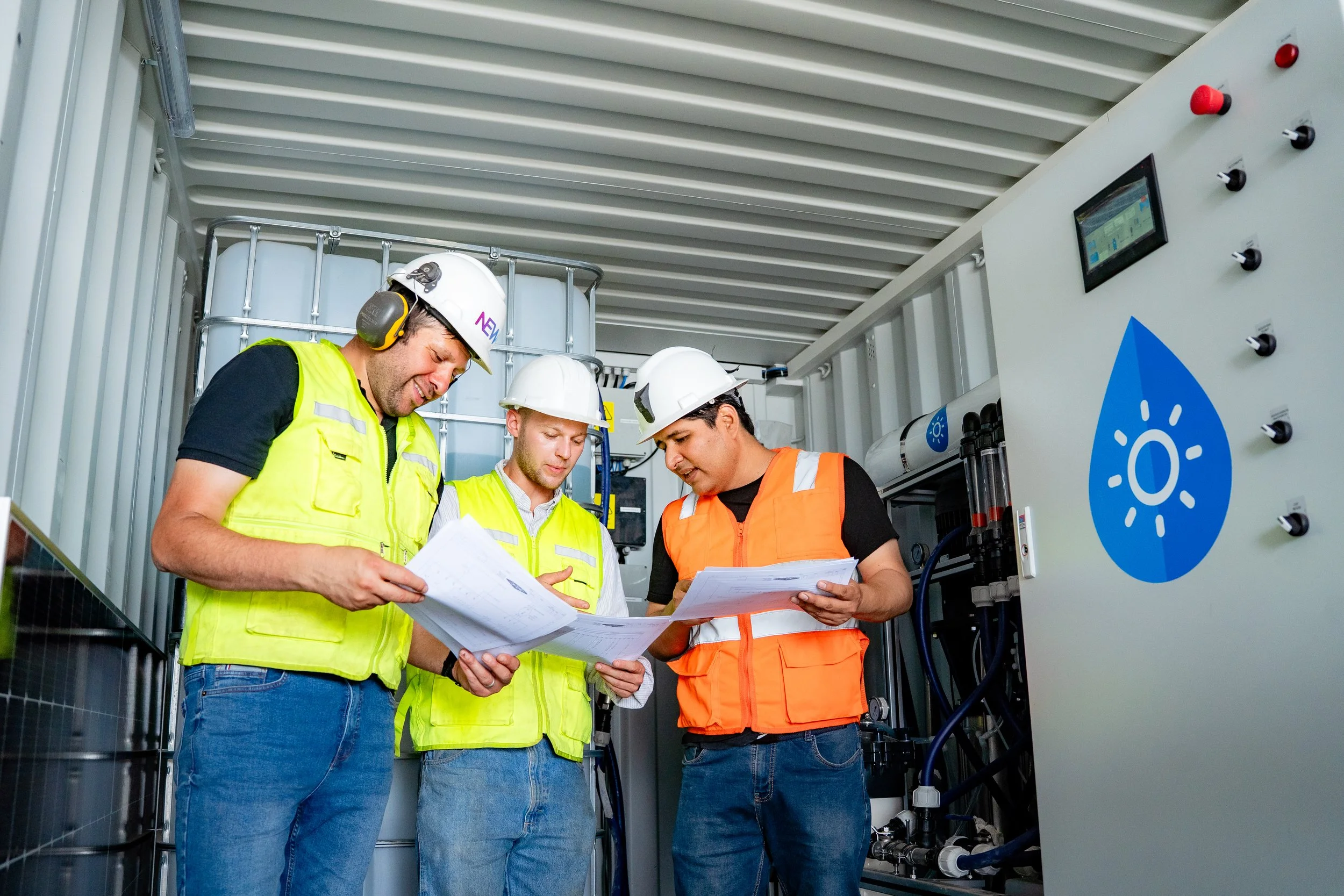
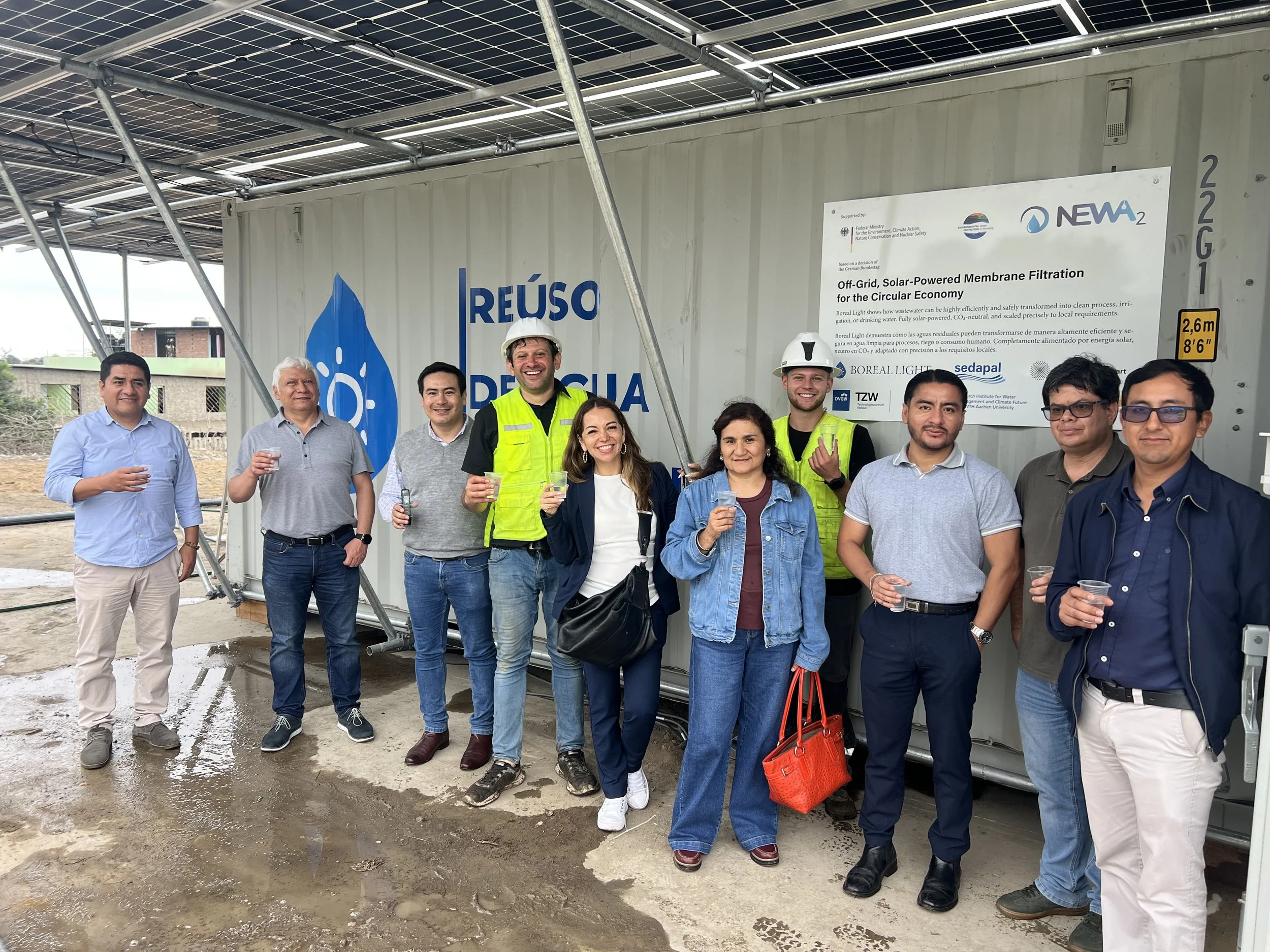
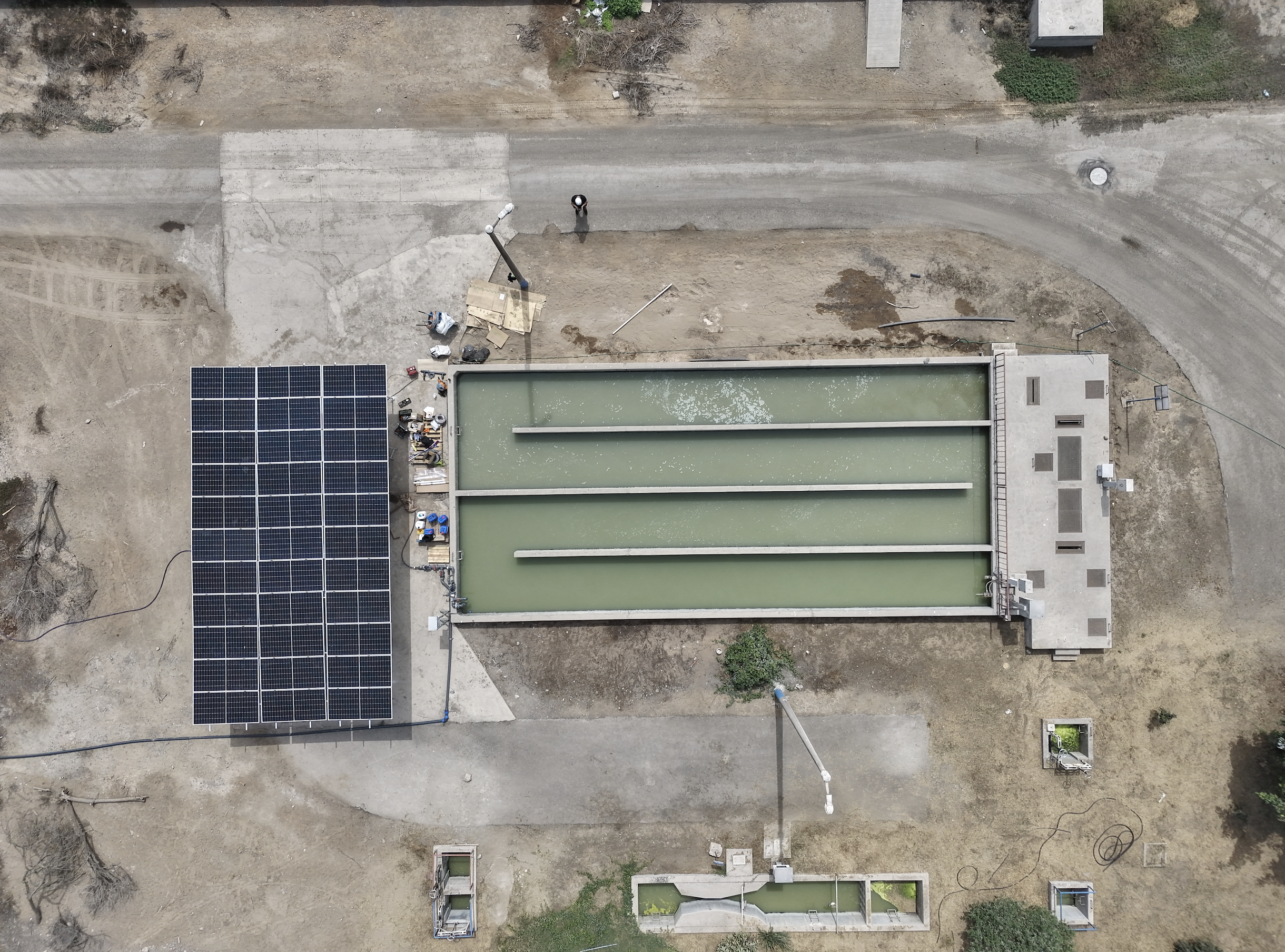
Berlin / Lima, 10th of August — Boreal Light GmbH has commissioned a pilot plant in Lima, Peru, that produces pure drinking water from treated municipal wastewater. The system combines ceramic ultrafiltration membranes with reverse osmosis and runs directly on solar energy, with no batteries and no inverters. It was developed by Boreal Light as a partner in the research project NEWA2 and installed together with SEDAPAL, Lima’s water and sewerage utility, at the San Juan de Miraflores wastewater treatment plant.
The technology: ceramic membranes and reverse osmosis, powered by the sun
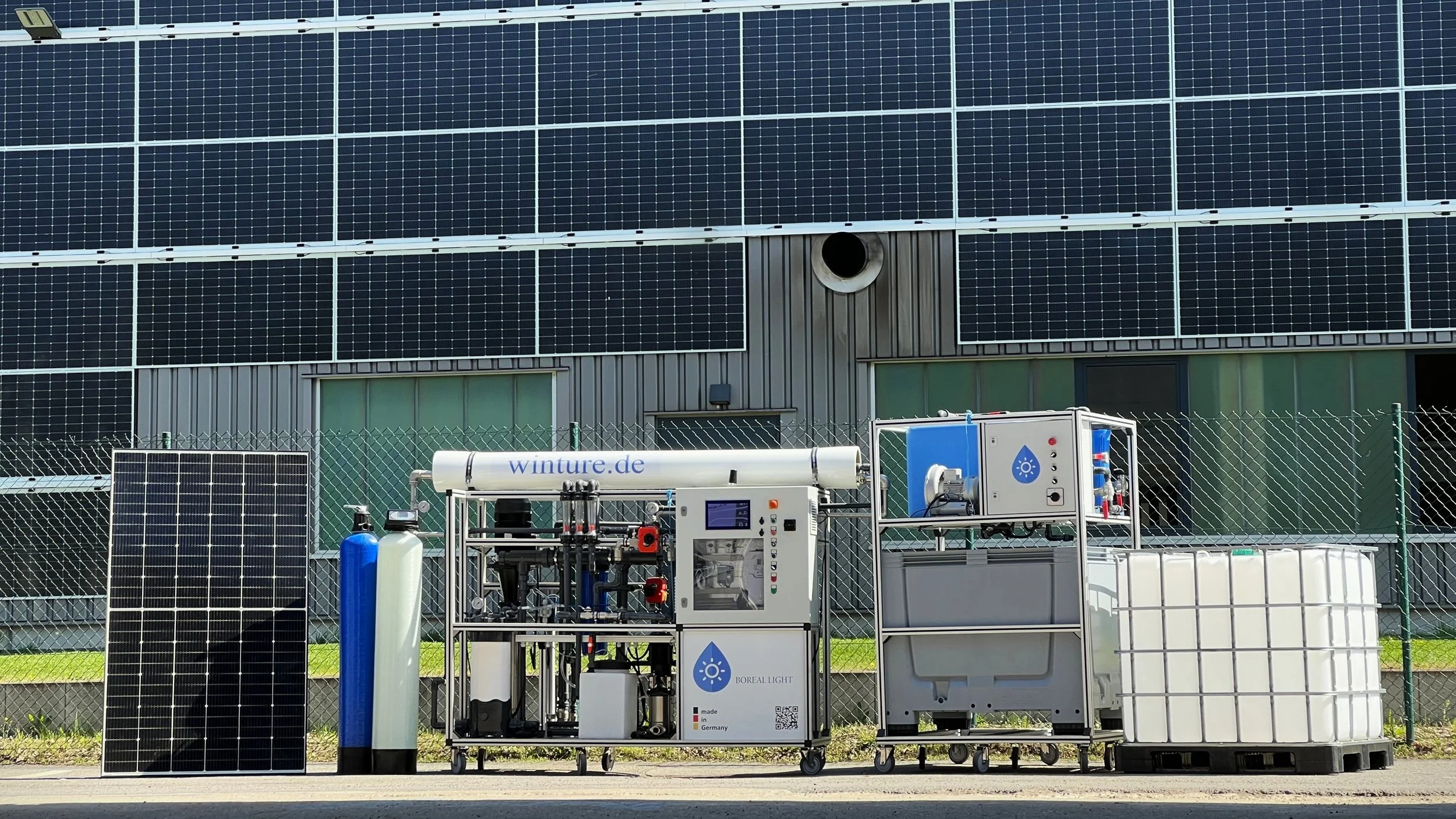
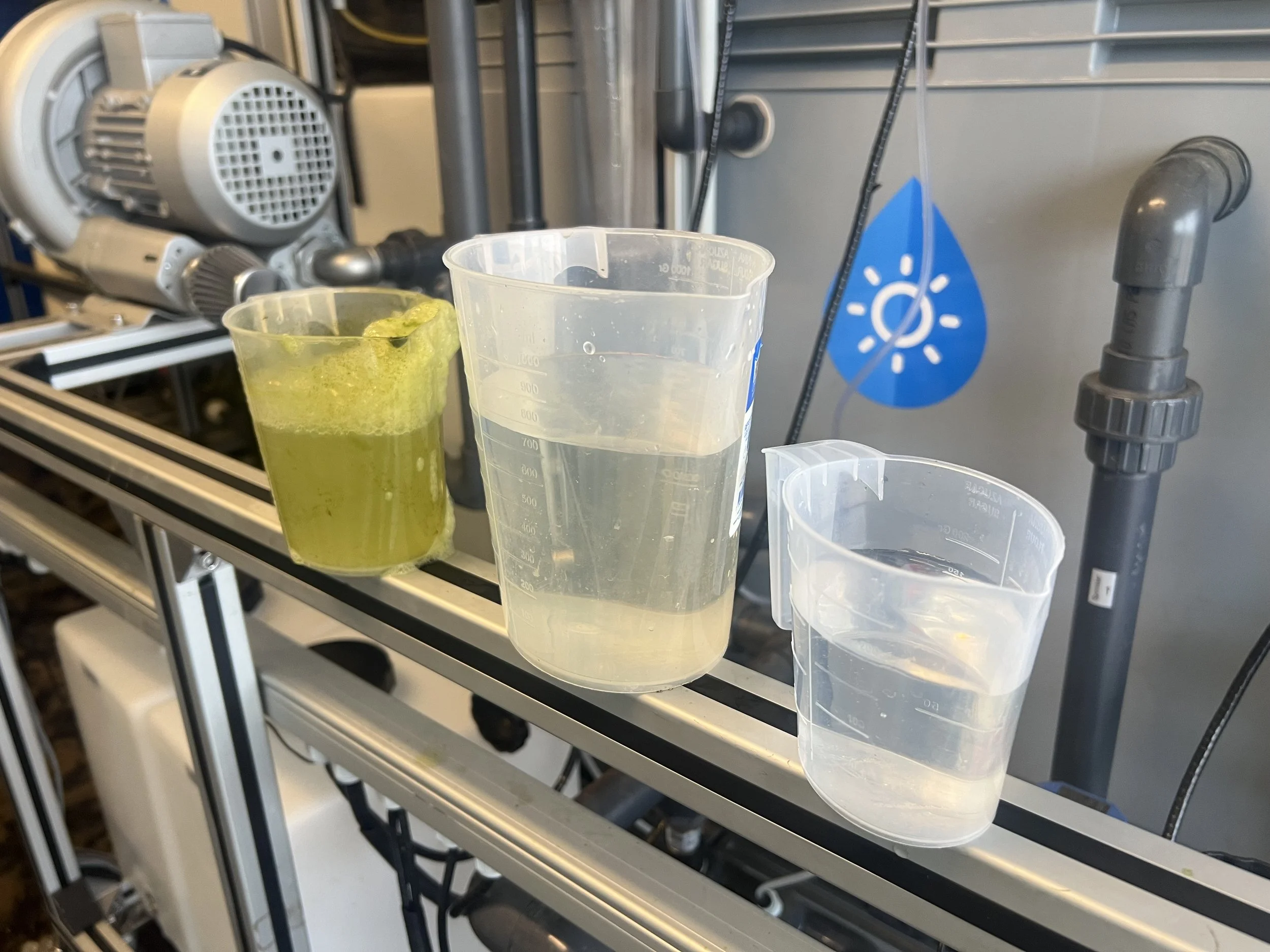
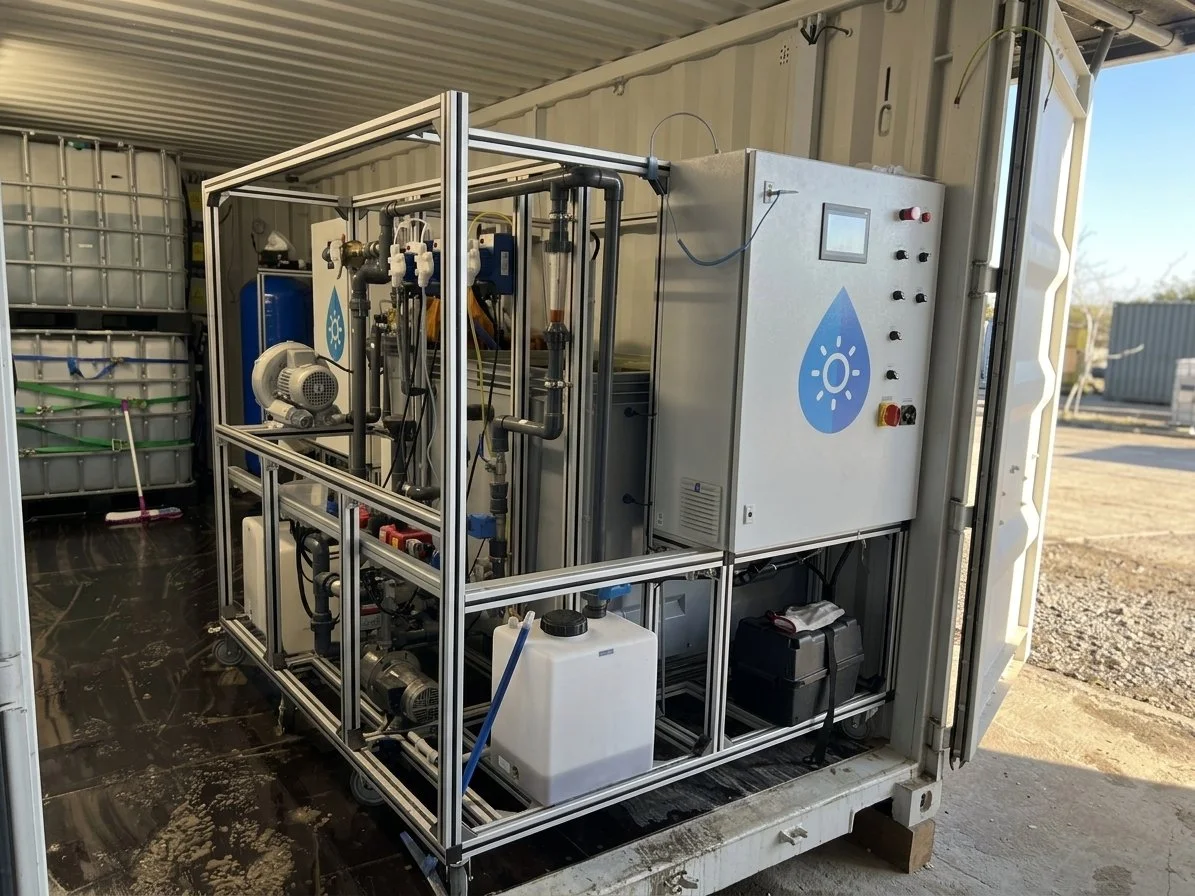
The containerized system treats municipal wastewater in a multi-stage process. Ceramic ultrafiltration membranes form the pre-treatment stage, followed by reverse osmosis to produce drinking-quality water.
Ceramic membranes are highly resistant to chemical, thermal and mechanical stress, which makes them well suited to heavily loaded water. In Boreal Light’s design, they also protect the downstream reverse osmosis membranes, making the whole treatment chain robust under demanding conditions.
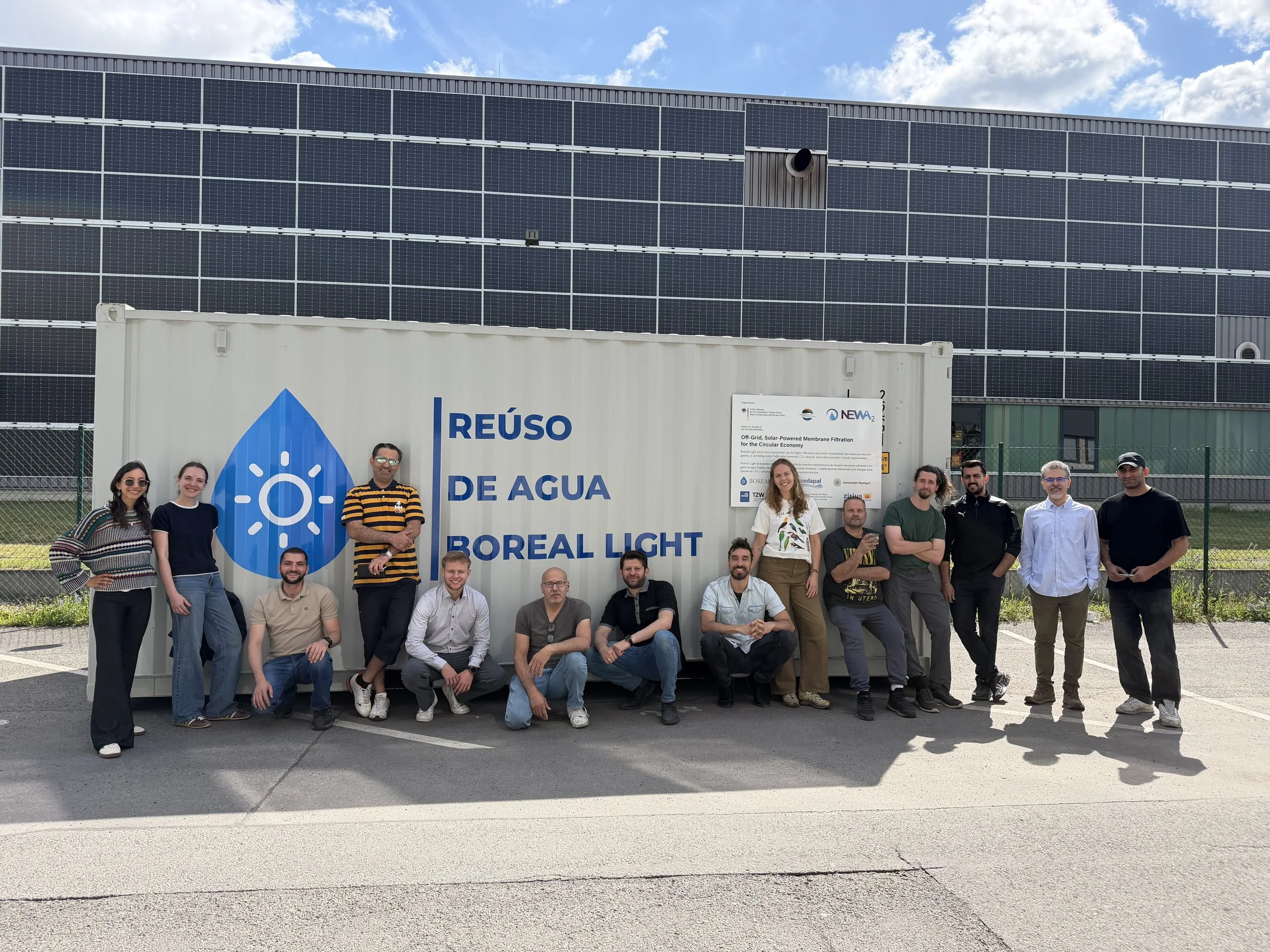
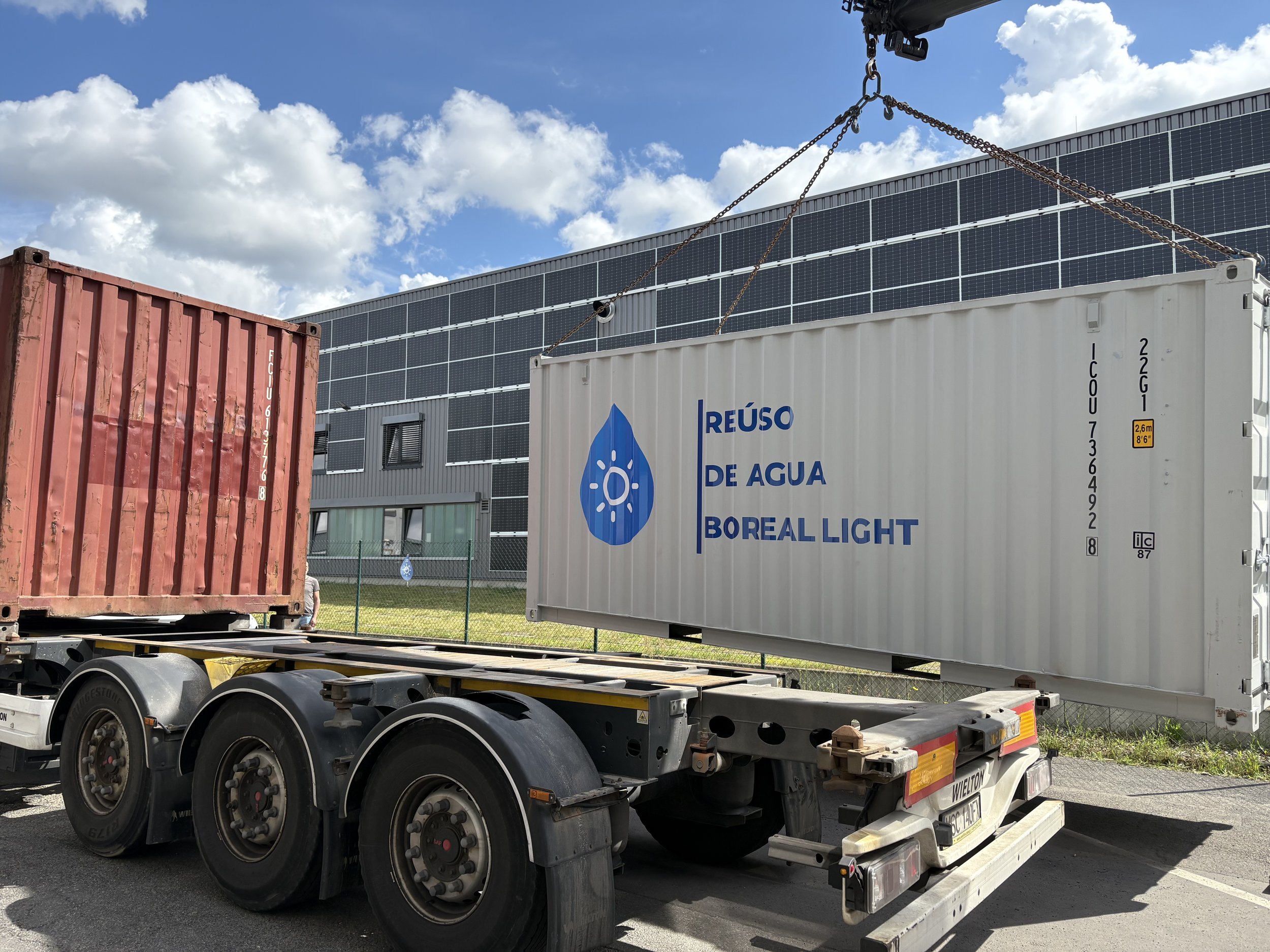
The plant runs directly on solar energy, completely without batteries or inverters. This makes it autonomous and climate-neutral in operation, even in a desert environment. The system was built in Berlin and shipped to Lima in a container.
Wastewater is a resource, not waste
It almost never rains in Lima, and water is extremely scarce. Reusing wastewater intelligently and safely is therefore one of the most important questions for the city’s future water supply.
The question is increasingly relevant in Germany too, where droughts and falling groundwater levels are becoming more frequent. A system that works autonomously and climate-neutrally in the desert of Lima points to where the future of water management in Germany could lie.
The same solution is also ideally suited for irrigation. Treated wastewater is a reliable, locally available water source for agriculture, parks and green spaces, easing pressure on scarce groundwater and drinking water reserves. Because the system runs directly on solar power, it produces the most water when the sun is strongest — exactly when crops need it most. For farms and municipalities in dry regions, this opens a path to secure, low-cost irrigation without grid connection or fuel.
“Wastewater is not waste — it is a valuable resource,” said Ali Al-Hakim, Co-founder of Boreal Light GmbH. “With NEWA2, we chose to simply get it done rather than just theorize. What works off-grid in Lima shows what is possible for water management worldwide, including here in Germany.”
Partners, support and funding
The pilot plant is one of two technologies for reusing treated wastewater being studied in NEWA2. At the same site, a managed aquifer recharge pilot developed with TZW: DVGW-Technologiezentrum Wasser in Karlsruhe is also in operation. Alongside the technology, NEWA2 examines what large-scale use would require, including legal frameworks, governance and technical capacity.
Operation is accompanied by monitoring of operating parameters and water quality, and by training for SEDAPAL’s technical staff.
Boreal Light was especially pleased to welcome visitors from the German Embassy in Lima and GIZ ConoSur (Argentina, Chile, Peru), and thanks them for their trust and strong support.
The project is funded by the German Federal Ministry for the Environment, Climate Action, Nature Conservation and Nuclear Safety (BMUKN) through Zukunft – Umwelt – Gesellschaft (ZUG) gGmbH, as part of the Export Initiative Environmental Protection.
Next: a full year of real-world data
The most exciting phase starts now. The plant will remain in long-term monitoring for a full year, delivering continuous operating data under real conditions.
About NEWA2
NEWA2 is a research project on the safe reuse of treated municipal wastewater in Lima, carried out with SEDAPAL and partners. More at newalima.de.